
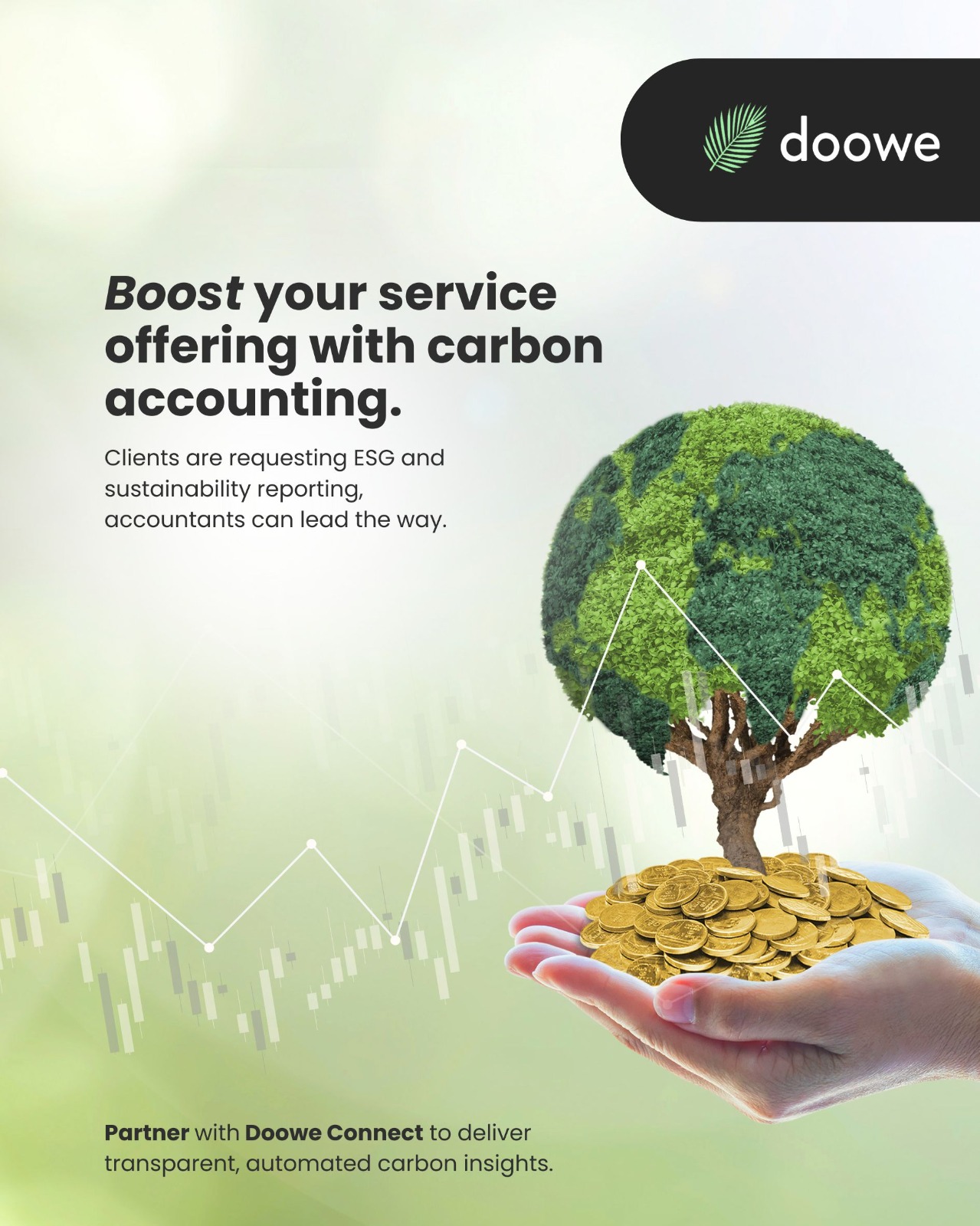
The global fight against climate change is no longer just about atmospheric physics, it’s about balance sheets and national debt. The push for a “green transition” has reshaped global finance in many ways, turning climate action into an investment mechanism.
“Calendar year 2024 was another strong year for Green Bonds. It outperformed the conventional bond market by close to 2%.” -AXA Investment Managers
This transition is being financed by a massive surge in private debt instruments. The green bond market alone has exploded, with outstanding debt nearing $3 trillion in 2024. This doesn’t include the growth of Sustainability Linked Loans (SLLs) and social bonds. This colossal wave of capital is based on a core assumption that we can price carbon risk and finance the necessary global pivot.
However, green bonds and carbon credits are not just climate tools, they are rapidly becoming debt instruments that can no longer be sidelined. This creates a new “debt trap,” where the cost of going green is graded by global wealth, exposing developing nations to systemic financial fragility. The sheer nature of green bonds makes them very susceptible to empty promises and shortcomings, sometimes even scams.
“A recent report on the world’s largest carbon offset projects found that over 47.7 million carbon credits in 2024 were ‘problematic,’ meaning they are unlikely to deliver real emission reductions.” -Mongabay
The explosion of green debt is driven by both supply and demand. On the supply side, sovereign entities (like the EU, which is a major issuer) and corporations are eager to signal their sustainability credentials. On the demand side, institutional giants, including sovereign wealth funds, pension funds, and major asset managers in Europe and the US, have mandates requiring them to invest in ESG-aligned assets.

The supposed financial benefit for issuers is the “greenium”, a lower yield (cheaper borrowing cost due to its sustainability tag) that investors are willing to accept for an environmentally friendly bond. While a greenium still exists for the highest quality, most rigorously verified bonds, the benefit is shrinking or volatile as the market is flooded with new supply. This is particularly true for emerging markets.
For example, large, established programs like the EU’s green bond issuance benefit from high investor trust and robust standards. In contrast, emerging market issuers in countries like Indonesia or Chile face higher scrutiny and a more questionable greenium, as their sovereign risk remains the dominant factor in pricing.
This divergence becomes clearer when you look at how the transition interacts with national economic structures.
The green transition acts as a financial stress test on national economies, creating clear winners and losers based on their resource dependence.
The Losers are economies heavily reliant on fossil fuel exports or carbon-intensive industries (e.g., Nigeria, Saudi Arabia, coal-heavy Indonesia). They face rising borrowing costs as investors shun their conventional debt. The greatest risk they face is the creation of “transition stranded assets”, vast coal, oil, and gas reserves that are effectively un-monetizable under net-zero scenarios.
The Winners are countries rich in the resources needed for the transition, such as:

This financial divergence is already visible in credit markets, where the cost of borrowing (credit spreads) for commodity-dependent nations is starting to widen relative to those with favourable green exposure.


Beyond bonds, the secondary market for climate action, carbon credits, is a battlefield rife with financial and reputational risks. Regulatory markets, like the EU Emissions Trading System (ETS), are tightening and driving up costs for heavy industry. Meanwhile, voluntary carbon markets have been plagued by scandals, fraud, and supply gluts, making credit values volatile and corporate claims suspect.
This uncertainty creates financial fragility across corporate balance sheets. Companies that rely on buying offsets to meet net-zero pledges face massive repricing risk. The most tangible policy threat comes from Europe’s Carbon Border Adjustment Mechanism (CBAM), which imposes a carbon tariff on high-carbon imports (like steel, cement, and aluminium). For some exporters, CBAM can add 5–15% to effective import costs depending on sector and carbon intensity. This effectively externalises the EU’s climate costs, hitting major exporters like Turkish and Indian steel producers and creating a competitive disadvantage in the world’s largest consumer market.
The sheer size of the green debt market has created macro-financial feedback loops. Central banks like the European Central Bank (ECB) have experimented with buying green assets, integrating climate risk into monetary policy and further legitimising the asset class.
Crucially, IMF and World Bank loans are increasingly tied to “green conditionality.” While intended to steer investment toward sustainability, this policy adds complexity and potential cost to already struggling emerging markets. For frontier economies, many of them already debt-burdened post-COVID, the need to retire fossil-heavy infrastructure early or adopt expensive, high-tech green alternatives can translate into a higher cost of capital, effectively creating a new debt trap. They are forced to pay a “brown penalty” or finance a transition with high-interest debt that rich nations obtain at a lower cost.
The green debt divide exposes a fundamental tension in global policy, Green Goals vs. Energy Security and Affordability.
When the global energy crisis hit in 2022, many wealthy nations, including European powers, temporarily subsidised fossil fuels to protect energy security and shield consumers from surging prices. Germany, for instance, implemented a €265 billion energy subsidy package.
This reveals a deep paradox: Rich countries possess the financial depth to both subsidise fossil fuels in a crisis and finance a green transition with cheap debt. Poorer nations, lacking this dual capacity, are pressured to go green while facing cripplingly high rates. This dynamic risks solidifying a new global divide, the green “haves” versus the green “have-nots.”

The deeper one looks into green finance, the clearer it becomes that the transition is not only an environmental challenge but a financial architecture challenge. Carbon credits, sustainability-linked bonds, and sovereign green paper were designed as tools for decarbonization, yet they now shape borrowing costs, capital flows, and sovereign risk. The grey zone between ambition and accountability has created vulnerabilities: volatile “greenium” pricing, weak verification in emerging markets, carbon-credit scandals, and a widening gap between countries that can cheaply finance the transition and those that must pay a premium for the same technologies. As climate commitments tighten, carbon border tariffs and green regulatory blocs risk hardening this inequality. The uncomfortable truth is that green finance has become a kind of sorting mechanism, rewarding countries with fiscal space and penalising those without it, embedding fragility into the very instruments meant to solve the problem. In this sense, the debt trap is not the transition itself, but the distribution of its costs.

Yet the story does not end in pessimism. The coming decade will also see the largest reallocation of capital in modern economic history, and this shift carries profound upside. Clean-energy capex is projected by the IEA to nearly double in the near future, driven by falling technology costs, geopolitical pressure for energy independence, and institutional investors demanding long-duration climate-aligned assets. The reforms underway, stronger taxonomies, stricter verification regimes, blended-finance structures that de-risk emerging markets, suggest that today’s volatility is part of the transition to a more credible market, not a sign of failure. If green finance can evolve from a patchwork of labels into a mature asset class with robust standards, it can mobilise capital at a scale that rewires energy systems, upgrades infrastructure, and makes the transition accessible rather than exclusive. The challenge is real, but so is the momentum. And for the first time, the architecture of global finance is pointing in the same direction as climate ambition, not perfectly, not evenly, but unmistakably forward.
Our team provides full support throughout your sustainability journey, from initial data collection to ongoing reporting and optimisation. Whether you’re just starting to measure emissions or refining an established Net-Zero strategy, we offer the tools and expertise to help you achieve meaningful, measurable progress.
Doowe has two innovative products across our UK and European operations — Doowe Carbon Accounting *and *Doowe Carbon API. The Carbon Accounting platform helps businesses measure, manage, and report their carbon emissions accurately, while the Carbon API allows seamless integration of carbon data and ESG metrics into digital systems for real-time sustainability tracking.
We’re open to collaborations with organizations or individuals interested in carbon management, sustainability, or ESG consultancy. For enquiries or partnerships, more details can be found at www.doowe.uk
Ready to confidently step into the future of sustainable business? doowe is your reliable partner in this journey, providing expert carbon footprint services to ensure your commitment to the environment is clear, concrete, and verifiable.
Source: www.linkedin.com/pulse