

Amid growing environmental urgency, businesses worldwide are rethinking how they measure, manage, and communicate their impact. A World Economic Forum study found that over 90% of CEOs now prioritise sustainability, reflecting how carbon accounting and transparent certification have become strategic
As organisations face growing pressure to demonstrate meaningful climate action, understanding and reducing carbon impact has become essential. Achieving Net-Zero isn’t just about good intentions — it requires accurate measurement, reliable data, and clear insight into where emissions are coming

For many organisations, carbon accounting has become a familiar exercise. Each year, emissions are measured, reports are compiled, and numbers are shared with stakeholders. These steps are valuable. They build transparency, accountability, and a foundation for progress. But as sustainability

low carbon building market report includes region like North America (U.S, Canada, Mexico), Europe (Germany, United Kingdom, France, Italy, Spain, Netherlands, Turkey), Asia-Pacific (China, Japan, Malaysia, South Korea, India, Indonesia, Australia), South America (Brazil, Argentina), Middle-East (Saudi Arabia, UAE, Kuwait,
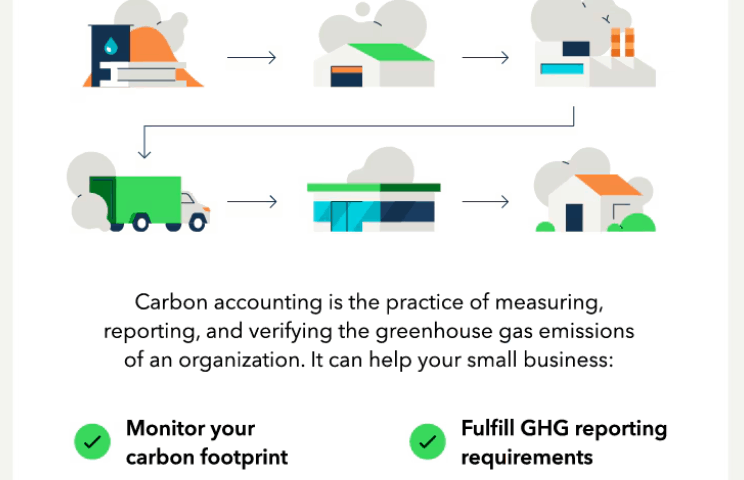
Carbon Accounting Overview Carbon accounting is the systematic process of measuring, tracking, and reporting the greenhouse gas (GHG) emissions generated by an organization or activity. These emissions are standardized and expressed as carbon dioxide equivalent (CO2e), enabling a consistent assessment
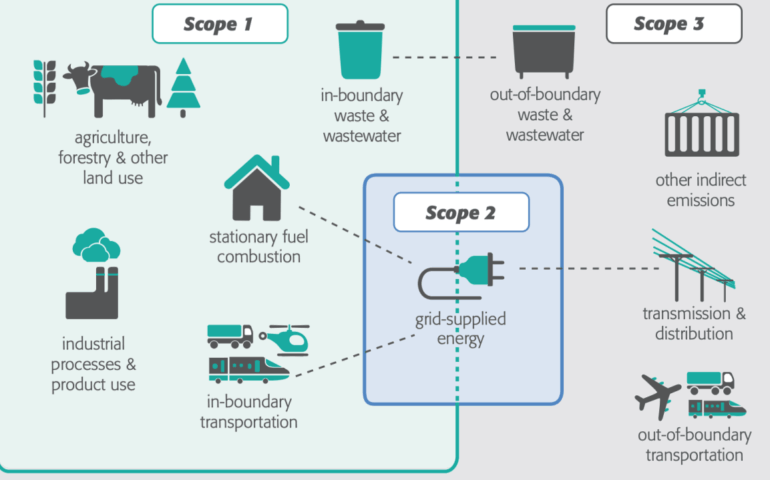
When your company prepares a climate strategy or a carbon report, you need to master carbon accounting—the structured process of measuring, tracking, and reporting greenhouse gas (GHG) emissions accurately and confidently. Think of it as a financial audit for your