

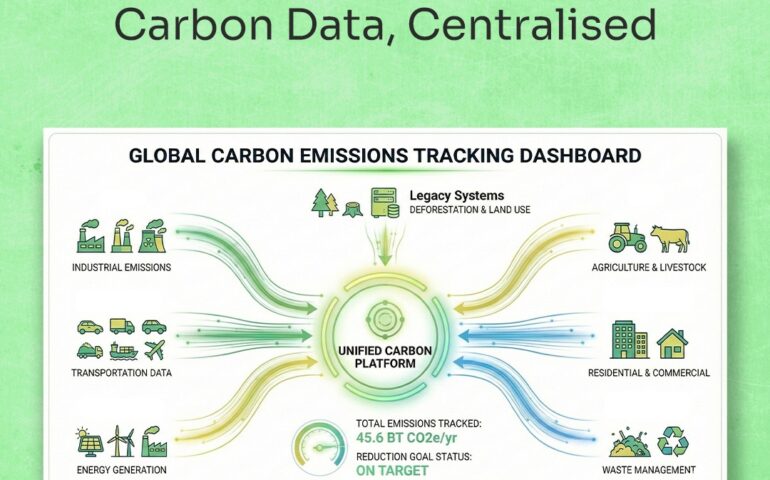
If your carbon data feels like a jigsaw puzzle with half the pieces missing, you aren’t alone. In most UK and European businesses, the information you need to calculate your footprint is already there—it’s just stuck in a “Where’s Waldo”
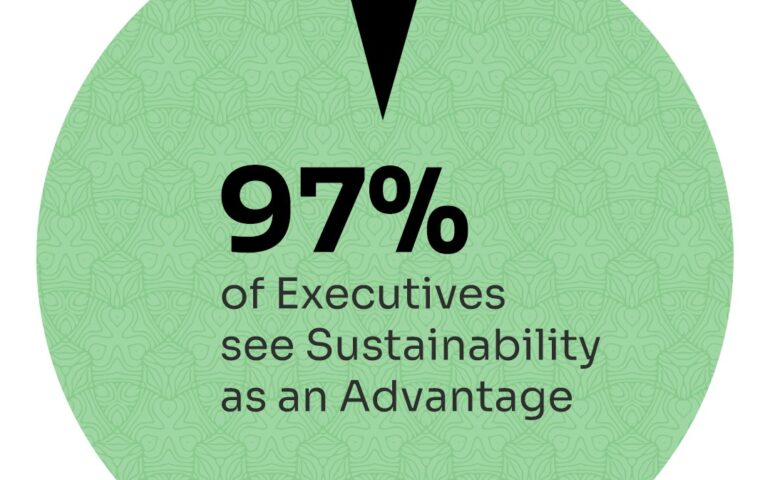
97% of executives now agree: sustainability isn’t just a hurdle to jump over—it’s the vehicle that’s going to drive your company forward. If you’re still looking at carbon reporting as a “compliance headache,” you are missing out on the biggest competitive

Happy New Year! As we welcome the first morning of 2026, the team at Doowe wishes you a year of immense growth, resilience, and sustainable success. There is no better way to start a fresh chapter than by aligning our business goals
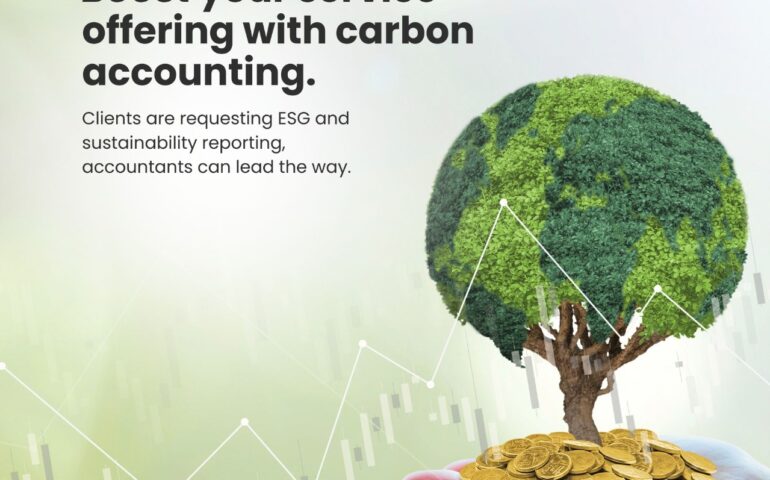
Carbon Accounting Software Market in Europe 2035 | The Data Backbone of the Net-Zero Economy When the global climate conversation turns to decarbonization, attention usually jumps to renewable energy, electric mobility, or hydrogen hubs. Yet one engine quietly powers the
As organisations face growing pressure to demonstrate meaningful climate action, understanding and reducing carbon impact has become essential. Achieving Net-Zero isn’t just about good intentions — it requires accurate measurement, reliable data, and clear insight into where emissions are coming

For many organisations, carbon accounting has become a familiar exercise. Each year, emissions are measured, reports are compiled, and numbers are shared with stakeholders. These steps are valuable. They build transparency, accountability, and a foundation for progress. But as sustainability