

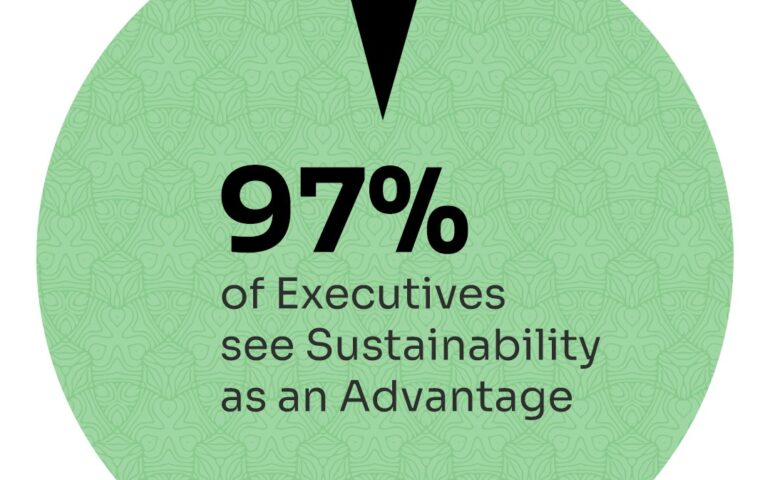
97% of executives now agree: sustainability isn’t just a hurdle to jump over—it’s the vehicle that’s going to drive your company forward. If you’re still looking at carbon reporting as a “compliance headache,” you are missing out on the biggest competitive
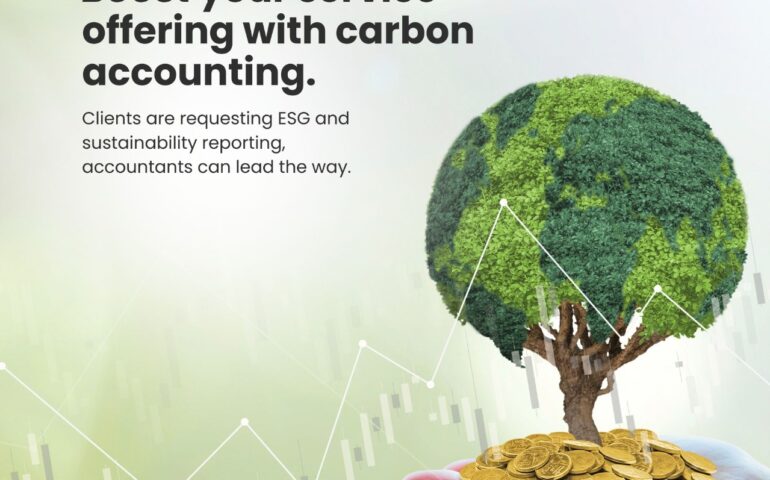
Let me just tell you upfront: buying a handful of carbon credits to “cancel out” your factory’s footprint feels like an easy win, but it’s often a trap. If you treat credits as a finish line rather than a support tool,
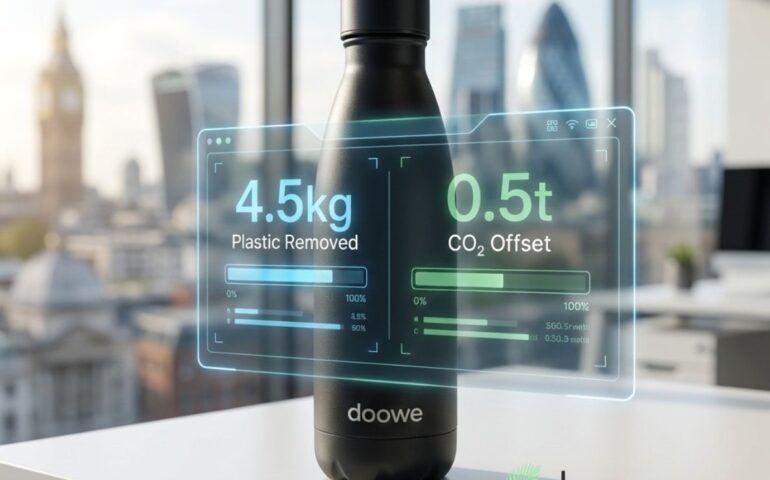
Stop settling for “eco-friendly” labels that don’t actually mean anything. In today’s climate-conscious market, if you can’t prove the grams of plastic removed or the tonnes of CO₂ offset by your branded merchandise, you’re leaving your reputation at risk. For
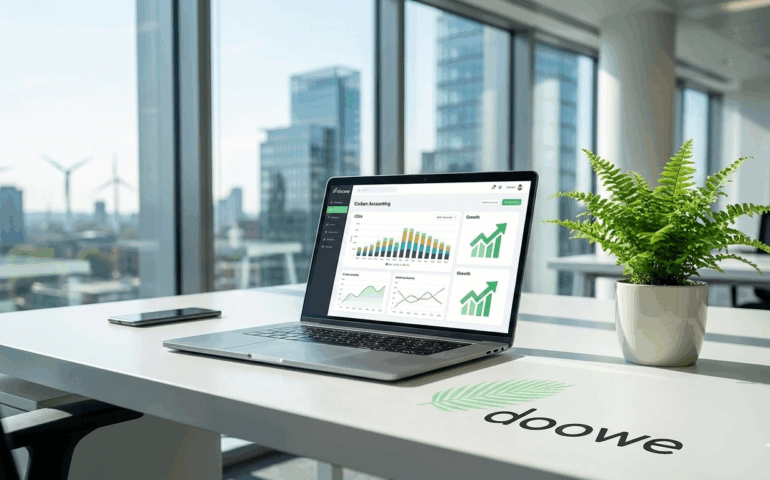
A friend of mine said this: “Carbon Accounting” often sounds like something meant for a laboratory or a high-level policy boardroom, not your daily business operations. But in today’s UK and European markets, speaking “carbon” is becoming just as essential
Amid growing environmental urgency, businesses worldwide are rethinking how they measure, manage, and communicate their impact. A World Economic Forum study found that over 90% of CEOs now prioritise sustainability, reflecting how carbon accounting and transparent certification have become strategic
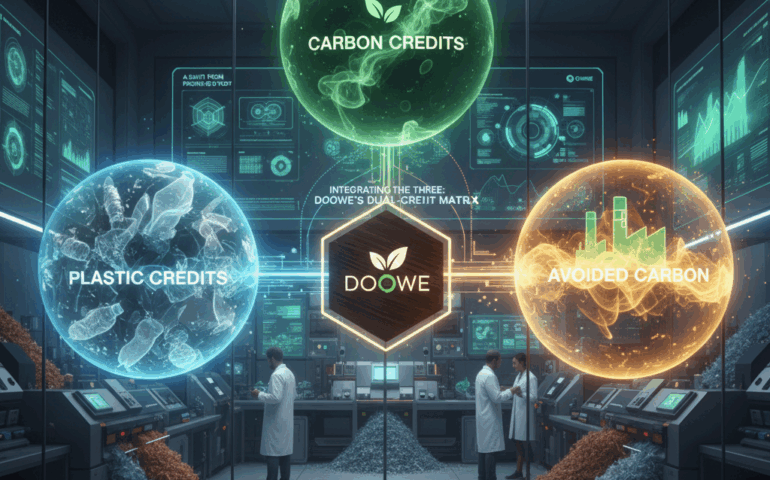
A Shift from Promises to Proof The sustainability conversation has matured. What once relied on aspirational targets and distant carbon pledges is now governed by data, traceability, and verification. Investors, regulators, and consumers alike no longer ask if a company